

Buying a Japanese import: what to check
Sample author · · 1 min read
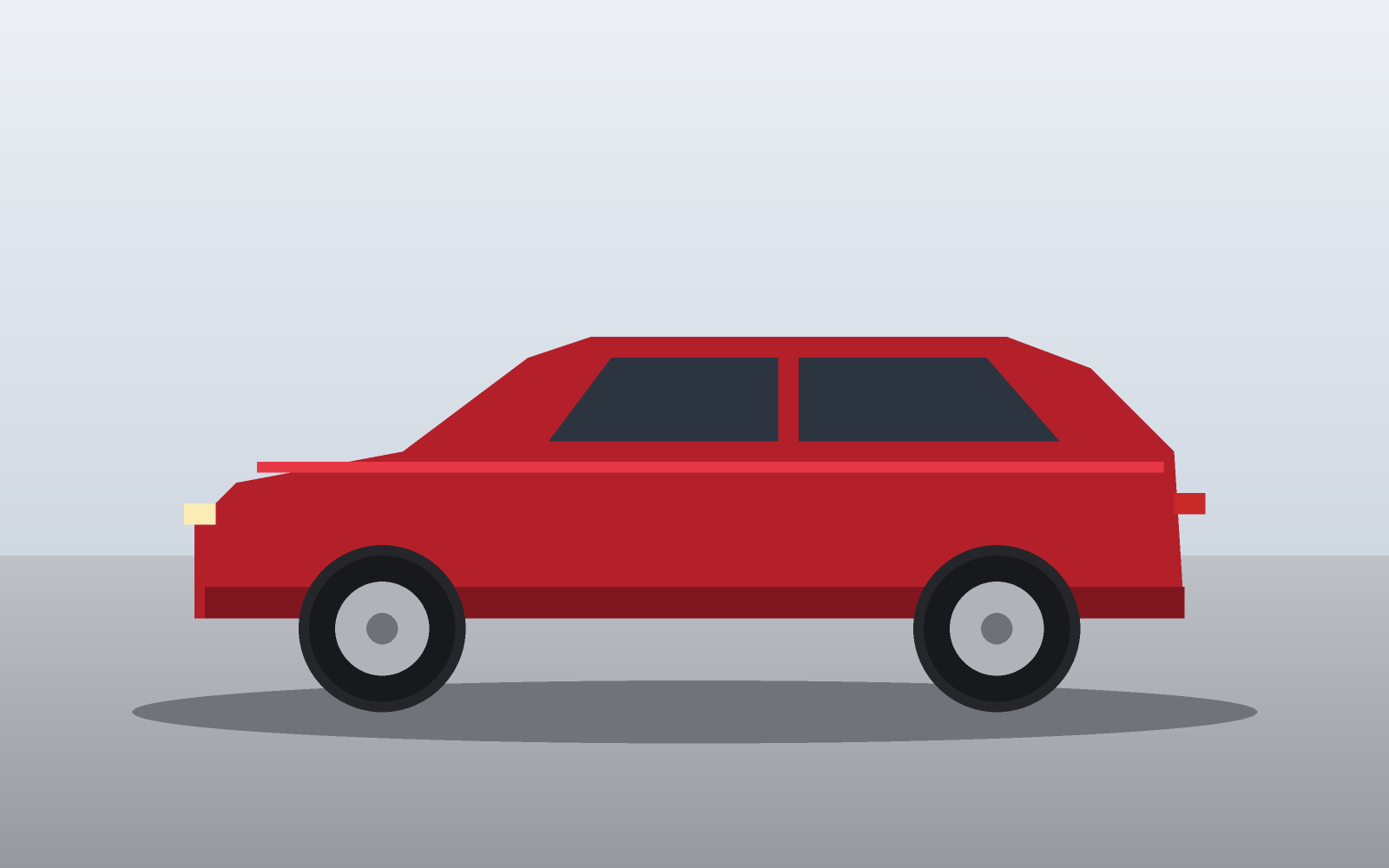
Many of the cars on New Zealand roads were first sold in Japan. A good import can be excellent value; these are the things worth asking.
The auction grade
Most imports are bought at auction in Japan, where an inspector grades them. A grade of 4 or above usually means a tidy car; ask to see the auction sheet.
The odometer
The reading should be checked against the export records. The CIN shows the reading the dealer has, and any note about it.
Compliance and registration
Before it can be driven here, an import is inspected and certified (entry certification) and then registered. A car marked in transit is still on its way and goes through this before you take it.
The radio
Japan's FM band is narrower than ours. The CIN says whether the radio receives every New Zealand station; if it does not, a band expander or a new head unit fixes it.
Road user charges
Diesel and electric cars pay road user charges (RUC) by the kilometre instead of in the price of fuel. Ask how many kilometres of RUC the car has left.
Questions people ask
Is an import less reliable than a New Zealand-new car?
Not by itself. A low-kilometre, well-graded import is often in better condition than an older local car; the history and the inspection matter more than where it was first sold.
Ready to look at cars?
Every car shows its price, history and Consumer Information Notice up front.
More guides
 · 1 min read
How to read a Consumer Information Notice
Every used car a dealer sells in New Zealand has one. Here is what each part tells you, and what to ask about.
Read the guide · 1 min read
Hybrid, electric or petrol: which suits you?
How far you drive and where you can charge decide it. A short guide to choosing what your next car runs on.
Read the guide